
Indigo Books Affiliate Program: How to Make Money With It
Making money by recommending books online sounds simple enough, right? But here’s the thing—most affiliates miss the real opportunity with Canada’s largest bookstore. The Indigo Books affiliate program offers a straightforward 5% commission structure that can turn casual book recommendations into consistent revenue. Whether you’re a book blogger, lifestyle influencer, or content creator with an audience that reads, this program deserves a closer look. Let’s break down exactly how to turn those referral links into actual income.
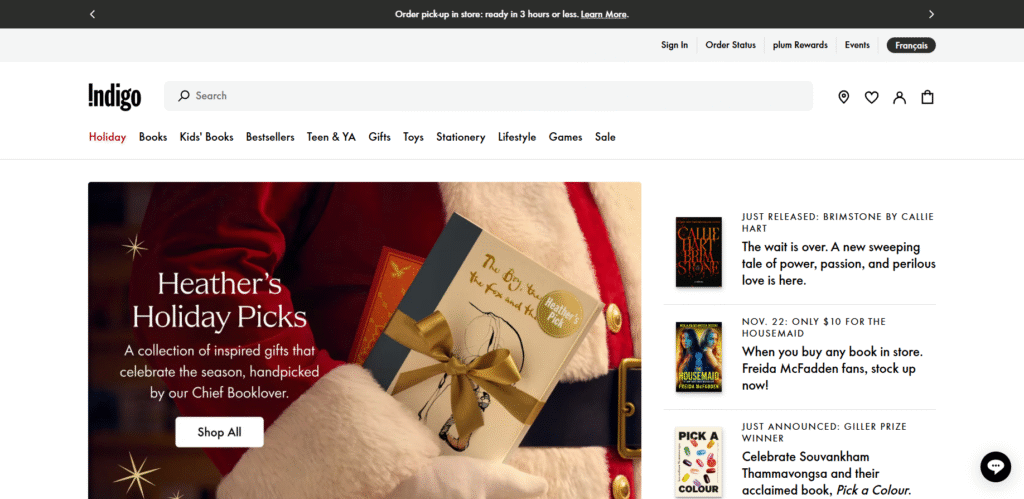
Quick Program Stats
💰 Commission: 5% per sale
🍪 Cookie Duration: 7 days
💳 Payment Methods: Paper check, direct deposit, Payoneer
🌍 Geographic Reach: 100+ countries
📊 Network: Commission Junction
⏱️ Payment Schedule: Monthly
Join the Indigo Books Affiliate Program →
Why the Indigo Books Program Actually Works
Most book affiliate programs pay peanuts. Amazon’s 1-3% commission on books makes it hard to justify the effort. Indigo doubles that baseline, which changes the math considerably.
Here’s what the numbers look like. If you send 100 clicks per month with a conservative 2% conversion rate, you’re looking at 2 sales. With an average order value of $40 (books plus impulse adds like bookmarks, journals, or gifts), that’s $4 in commissions per month. Not impressive yet, I know.
But scale that to 5,000 visitors monthly—suddenly you’re at 100 conversions and $200 monthly. Get to 20,000 visitors and you’re approaching $800-1,000 per month from a single affiliate program. The beauty is that book buyers are repeat customers, especially if you’re targeting specific niches like cooking, self-help, or manga.
The real advantage is Indigo’s product range. They’re not just books anymore. Home decor, gifts, toys, stationery—all commission-eligible. When someone clicks your link for a cookbook, they might add candles and a throw blanket to their cart. You earn 5% on the entire order.
Who This Program Is Perfect For
You’ll see the best results if you fall into one of these categories. Book bloggers and reviewers are the obvious fit—your content naturally leads to recommendations. Lifestyle and wellness influencers can weave book recommendations into broader content about personal development, fitness journeys, or mental health.
Parenting and education content creators have a goldmine here. Children’s books, educational materials, and family reading lists all convert well. Canadian content creators get an extra edge since Indigo is a household name in Canada, which builds immediate trust.
Niche hobbyists shouldn’t overlook this either. Cooking enthusiasts recommending cookbooks, manga fans curating reading lists, or craft bloggers suggesting project guides all have natural promotional angles.
Getting Started: The Foundation
First things first—getting approved is straightforward. Head to the Indigo affiliate page through Commission Junction and submit your application. They typically approve sites within a few business days as long as you have legitimate content and decent traffic.
The bare minimum they want to see is a real website or social media presence with engaged followers. You don’t need massive traffic numbers, but you do need genuine content about topics related to their product categories.
Once approved, you’ll access your dashboard through Commission Junction. This is where you’ll grab your affiliate links, track commissions, and monitor performance. Take an hour to familiarize yourself with the interface—it’s more robust than most affiliate platforms.
Content Strategies That Convert
The mistake most affiliates make is thinking they need to write generic “Top 10 Books” lists. Those are saturated and barely convert. Instead, get specific and solve problems.
Seasonal gift guides work exceptionally well. “The Perfect Books for Someone Going Through a Career Change” or “Cozy Mystery Novels for Long Winter Nights” tap into specific moments when people are ready to buy. These guides can rank for years and generate passive commissions.
Problem-solution content is your secret weapon. Write articles like “Struggling to Sleep? These 7 Books Will Help” or “Beginner’s Guide to Sourdough Baking (Plus the Best Books to Get Started).” You’re providing value first, and the affiliate recommendation is the natural solution.
Tutorial and how-to content naturally incorporates book recommendations. A post about learning watercolor painting can recommend the top instructional books. An article about meal prepping can link to relevant cookbooks. The content has intrinsic value beyond the affiliate pitch.
Personal recommendation posts build trust faster than anything else. “Books That Changed How I Think About Money” or “My Annual Reading List + What I Learned” feel authentic because they are. Readers can tell when you’ve actually read the book versus when you’re just chasing commissions.
Traffic Generation: Getting Eyeballs on Your Links
Organic search is the most sustainable approach for affiliate content. Target long-tail keywords like “best books about stoicism for beginners” or “murder mystery books set in small towns.” These specific queries have less competition and higher buyer intent.
The beauty of book content is that it stays relevant. A well-written review or recommendation post can generate clicks for years. Focus on evergreen topics rather than trending releases that’ll lose relevance in months.
Pinterest deserves special attention for book affiliates. Create visually appealing pins with book covers, quotes, and eye-catching graphics. Pinterest users actively search for book recommendations, reading lists, and literary inspiration. One viral pin can drive traffic for months.
Email marketing amplifies everything else. Build a list of engaged readers and send monthly book recommendations, seasonal reading lists, or themed collections. Your subscribers already trust your taste—they’re the warmest traffic you’ll ever get.
YouTube and TikTok open different doors. BookTube and BookTok are massive communities hungry for recommendations. Short-form video content showing book hauls, reviews, or reading vlogs can drive significant affiliate traffic if you include your link in the bio or description.
Optimizing for Higher Conversions
Context matters more than traffic volume. A targeted article about “Best Books for Learning Python Programming” sending 200 visitors will outperform a generic “Best Books of 2024” post sending 2,000 visitors. Alignment between content and offer is everything.
Bundle recommendations when possible. Instead of linking to individual books, create collections. Indigo’s wishlist feature lets readers add multiple items at once. A “Ultimate Cozy Reading Kit” with three books, a bookmark, and a candle has a much higher average order value than a single paperback.
Use seasonal hooks aggressively. Back-to-school season for educational materials, holiday gift guides in November and December, New Year’s resolution books in January, summer beach reads in June. Time your content to match buying patterns.
Add urgency where appropriate. Limited edition covers, bestsellers that sell out quickly, or seasonal items create genuine FOMO. Just don’t manufacture fake scarcity—that destroys trust.
The Challenges Nobody Mentions
The seven-day cookie duration is short compared to other programs. If someone clicks your link but waits a week to purchase, you don’t get credit. This makes top-of-funnel content less valuable than bottom-of-funnel buying guides.
Competition from Amazon is real. Most people default to Amazon for online book purchases. Your job is to give them a reason to choose Indigo instead—maybe it’s faster Canadian shipping, better customer service, or supporting a Canadian company.
Tracking can get messy with Commission Junction if you’re not organized. Keep detailed records of which content pieces drive which sales. This helps you double down on what works and cut what doesn’t.
Returns affect your commissions. If someone orders a book through your link then returns it, your commission gets reversed. This is standard in affiliate marketing but worth knowing upfront.
Who This Program Isn’t For
If your audience is primarily American and you’re not willing to angle content toward Canadian buyers, this program will underperform. The shipping and currency considerations make it less attractive for US customers when Amazon is right there.
If you’re looking for high-ticket affiliate programs with $100+ commissions per sale, books aren’t it. The economics work through volume, not individual sale values.
If you’re not willing to create genuine, valuable content around books and reading, don’t bother. Thin affiliate sites get less traffic every year as Google’s algorithm improves.
Making Your First Dollar
Start with what you know. If you’ve read 20 business books in the past year, create content around those. Your authentic enthusiasm will show through and that’s what converts readers into buyers.
Pick three content ideas that solve specific problems for your audience. Write comprehensive, genuinely helpful articles. Naturally incorporate relevant book recommendations with your Indigo affiliate links. Publish and promote them.
Monitor your Commission Junction dashboard weekly. See which content drives clicks and which drives sales. Those are different metrics and both matter. Double down on what works.
Build on success rather than chasing new angles constantly. If one type of content performs well, create more of it. If gift guides work, make them a quarterly habit. If tutorial content converts, develop a series.
Scaling Past Your First $1,000
Once you’ve proven the model works, scaling is about multiplication. More content in winning categories, more traffic to proven converters, more platforms promoting your best content.
Consider building an email list specifically around book recommendations. A monthly newsletter featuring your latest reviews with affiliate links can generate consistent income from engaged subscribers who trust your taste.
Repurpose your best content across platforms. A detailed blog post becomes a YouTube video, which becomes a series of TikToks, which becomes Pinterest pins. One piece of research fuels content across multiple channels.
Collaborate with other creators in adjacent niches. A recipe blogger partnering with a cookbook reviewer, a travel creator working with someone who covers travel writing—these partnerships expand reach and bring fresh perspectives.
Tools and Resources
Commission Junction provides solid reporting and payment processing. Familiarize yourself with their interface early so you can track what’s working.
Indigo provides promotional materials, banners, and seasonal campaigns to their affiliates. Check these regularly and incorporate them into relevant content.
Google Analytics or similar tracking helps you understand which traffic sources convert best. Maybe Pinterest crushes it for you while Instagram flops, or vice versa. Let data guide your effort allocation.
Keyword research tools like Ahrefs or free alternatives like Google Keyword Planner help you find specific, low-competition search terms your content can rank for.
Final Thoughts
The Indigo Books affiliate program won’t make you rich overnight, but it’s a solid foundation for content creators in the book and lifestyle space. The 5% commission beats most book affiliate alternatives, the payment terms are straightforward, and Commission Junction’s platform is reliable.
Your success comes down to creating genuinely helpful content that naturally incorporates book recommendations. Forget the hard sell. Focus on solving problems, answering questions, and helping people discover books they’ll actually enjoy.
The affiliates who win long-term are the ones building trust and providing value first, treating the commission as a secondary benefit rather than the primary goal. If you can do that, the Indigo Books affiliate program can become a nice recurring revenue stream.