Barnes and Noble Affiliate Program: How to Make Money With It
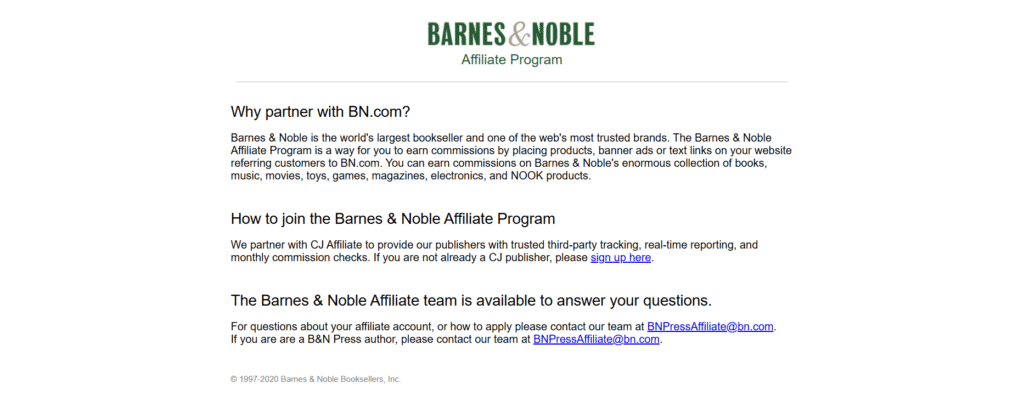
The Barnes and Noble affiliate program lets you earn commissions promoting America’s largest bookstore chain. With over 600 retail locations and a massive online catalog, you can earn 2% on physical books and 4% on digital products. The cookie window is only 24 hours, which means timing matters. If you’ve got an audience that reads, this could be your entry point into book affiliate marketing.
Quick Program Stats
💰 Commission: 2% on physical books, 4% on digital products
🍪 Cookie Duration: 24 hours
💳 Payment Platform: Commission Junction (CJ)
🎯 Minimum Payout: Varies by payment method
⏱️ Payment Schedule: Net 30 days
🏪 Store Locations: 600+ retail stores across US
What Makes Barnes and Noble Worth Promoting
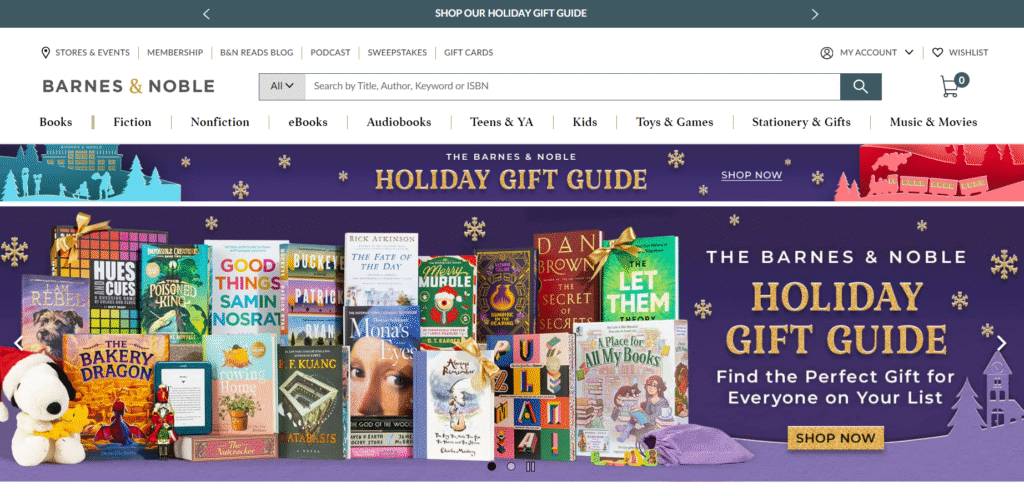
Barnes and Noble isn’t just another bookstore. It’s the largest brick-and-mortar book retailer in the United States, which gives you instant credibility when you recommend their products. The brand recognition alone does half your selling job.
The company sells more than just books. Their catalog includes eBooks, NOOK devices, music, movies, toys, and games. This variety means you’re not locked into promoting just one product type. Got a tech audience? Push NOOK devices. Parent readers? Promote educational toys and children’s books.
Here’s what works in your favor. Barnes and Noble handles everything from customer service to shipping to returns. You just send traffic and collect commissions. They’ve spent decades building trust with readers, so your conversion battle is easier than promoting an unknown brand.
The online marketplace is organized into fiction, non-fiction, manga, self-help, cookbooks, history, romance, religion, and dozens of other categories. This categorization helps you target specific niches instead of throwing generic book promotions at your audience.
Understanding the Commission Structure
Let’s talk numbers because that’s what matters. You earn 2% on physical book sales and 4% on digital products. At first glance, those percentages look tiny. And honestly, they are compared to some affiliate programs that pay 30% or more.
But context matters. Books have tight profit margins. Publishers and retailers operate on slim markups, which explains the commission rates. The average book sells for twenty to thirty dollars. At 2%, you’re making 40 to 60 cents per physical book sale. Digital products average higher, so 4% might land you a dollar or two per sale.
This means volume is your game. You’re not building a business on individual sales. You need consistent traffic that converts regularly. One sale per day at two dollars each gets you sixty dollars monthly. Not impressive. But scale that to ten sales daily and you’re at six hundred dollars monthly. Twenty sales daily puts you at twelve hundred dollars.
The 24-hour cookie window creates urgency issues. If someone clicks your link today but buys tomorrow, you lose that commission. This short window means your traffic needs to be hot and ready to buy immediately. You can’t rely on people browsing, leaving, and coming back days later like you can with 30 or 60-day cookie programs.
Step-by-Step Strategy to Start Earning
Getting approved for the Barnes and Noble affiliate program through Commission Junction is straightforward. You need a website or platform with real content about books, reading, education, or related topics. They want to see you’re serious about promoting their products, not just throwing up a spam site.
Your application should include details about your audience size, traffic sources, and content strategy. Don’t overthink this. Just be honest about your platform and how you plan to promote books. Approval typically takes a few days to a week.
Once approved, you’ll access your affiliate links through the CJ dashboard. This is where you’ll track clicks, sales, and commissions. The dashboard interface takes some getting used to, but it’s industry standard stuff.
Now for the actual promotion strategy. You need content that naturally leads to book recommendations. Book reviews are the obvious choice, but everyone does those. Think bigger. Create reading lists for specific situations. Best books for learning Python. Essential reads for new entrepreneurs. Romance novels that don’t make you cringe.
Comparison content works beautifully in the book niche. Compare similar books and explain which reader type should choose which book. This positions you as a helpful guide rather than a pushy salesperson.
Seasonal content gives you traffic spikes. Holiday gift guides, summer reading lists, back-to-school book bundles. These topics get searched heavily during specific times, and you can update the same posts yearly to keep earning from them.
Email marketing amplifies your affiliate income if you build a subscriber list. Send weekly book recommendations to your list with your affiliate links embedded naturally in the descriptions. Just make sure your recommendations are genuine, or your list will tune you out fast.
Best Traffic Sources for Book Affiliates
Organic search traffic through SEO is your most profitable long-term strategy. People searching for specific book titles, author names, or book-related topics are already interested. Create detailed content around these searches and include your affiliate links naturally.
Target long-tail keywords like “best mystery books for beginners” or “Stephen King books in chronological order.” These specific searches convert better than broad terms like “books” or “reading.”
Pinterest works exceptionally well for book promotion. Create attractive pins for book lists, reading challenges, and book recommendations. Link them to your blog posts with affiliate links. The visual nature of Pinterest suits book covers perfectly, and the platform’s user base loves reading content.
YouTube book reviews and book haul videos generate consistent affiliate sales if you’re comfortable on camera. Show the physical books, discuss why you liked them, and include affiliate links in your video descriptions. BookTube is an established community with hungry audiences.
Facebook groups focused on reading, book clubs, and specific genres provide targeted audiences. Join these groups genuinely, participate in discussions, and occasionally share your content when it’s relevant and helpful. Don’t spam links or you’ll get banned quickly.
Paid traffic through Facebook and Google Ads is tricky with 2% commissions. Your ad costs need to stay extremely low to remain profitable. Test small budgets on highly targeted audiences before scaling. Focus on high-priced items like NOOK devices or expensive cookbook sets where your commission dollars are higher.
Content That Converts Book Browsers Into Buyers
Your content needs to do more than list books and include links. You need to make people want to read those books right now. Start with compelling hooks that create curiosity or solve problems.
Instead of “Here are five good fantasy books,” try “These five fantasy books are so gripping, I stayed up past 3am to finish them.” The second version creates emotional connection and urgency.
Include personal experiences with the books. Share what you learned, how it changed your perspective, or why you couldn’t put it down. Authenticity converts better than generic descriptions you could copy from Amazon.
Address objections directly in your content. If you’re promoting an expensive book, justify the cost by explaining the value inside. If it’s a long book, acknowledge that and explain why it’s worth the time investment.
Create urgency around your recommendations. Mention limited-time sales, holiday deadlines, or upcoming movie adaptations that will make books harder to find. The 24-hour cookie duration means you need people clicking and buying immediately.
Use comparison tables when reviewing multiple books in the same category. This helps readers make decisions faster and shows you’ve done the research work for them.
Realistic Income Expectations
Let’s set realistic expectations because most affiliate marketing content oversells what’s possible. With 2% commissions on books, you’re not getting rich quickly.
A beginner with decent content and consistent effort might generate five to ten sales weekly. That’s roughly four to eight dollars per week, or sixteen to thirty-two dollars monthly. Not quitting your job money, but it’s something.
An intermediate marketer with established traffic and multiple content pieces could hit fifty to one hundred sales weekly. This range gets you into two hundred to four hundred dollars monthly. Now you’re covering some bills.
Advanced marketers with large audiences, multiple traffic sources, and optimized funnels might achieve two hundred to five hundred sales weekly. This puts you at eight hundred to two thousand dollars monthly from Barnes and Noble alone.
These numbers assume average book prices and commission rates. Your results depend entirely on your traffic quality, content effectiveness, and promotional consistency.
The real opportunity isn’t making huge money from one program. It’s combining Barnes and Noble with other book affiliate programs like Amazon Associates, Book Depository, or Bookshop.org. Diversifying your income sources protects you if one program changes terms or shuts down.
Common Challenges and How to Handle Them
The 24-hour cookie duration is your biggest operational challenge. Unlike programs with 30 to 60-day windows, you can’t rely on delayed purchases. This means your content needs to create immediate buying desire, not just awareness.
Combat this by targeting bottom-of-funnel keywords where people are ready to buy. Someone searching “where to buy [specific book title]” is closer to purchasing than someone searching “best books to read.”
Low commission rates mean you need high volume to make significant income. This isn’t necessarily bad, but it does mean you need solid traffic generation skills. You can’t rely on a few big sales to carry your month.
Focus on promoting higher-priced items when possible. A fifty-dollar cookbook at 2% earns you a dollar, while a fifteen-dollar paperback earns thirty cents. The effort to promote both is similar, but the payout differs significantly.
Competition from Amazon Associates creates challenges since most book buyers default to Amazon. Your content needs to give people reasons to buy from Barnes and Noble instead. Emphasize their customer service, store pickup options, or exclusive editions when relevant.
Some product categories convert poorly even with good traffic. Experiment with different book genres and product types to find what your audience actually buys. Your assumptions about what will sell might be wrong.
Who Should Join This Program
This program makes sense if you already create content about books, reading, education, or related topics. Book bloggers, BookTubers, reading challenge communities, and educational content creators have natural audiences for these promotions.
Parent bloggers and homeschooling content creators can promote children’s books and educational materials effectively. These audiences actively seek book recommendations and buy frequently.
Academic and professional development content creators can promote textbooks, business books, and skill-building resources. These categories often feature higher-priced items, improving your per-sale commission.
Lifestyle bloggers with engaged audiences interested in self-improvement, cooking, crafts, or hobbies can naturally weave book recommendations into their content without it feeling forced.
Who Should Skip This Program
If you’re looking for high commission rates and quick profits, Barnes and Noble isn’t your best choice. Programs offering 30% to 50% commissions on digital products or subscription services will build your income faster.
Complete beginners without existing traffic or content should probably start with higher-commission programs where you can see meaningful results sooner. The low commission rates here make it harder to stay motivated during the learning phase.
People unwilling to create consistent, quality content about books should look elsewhere. This program rewards depth and authenticity in the book niche, not generic promotion tactics.
Anyone expecting passive income without effort will be disappointed. The 24-hour cookie window means you need consistent fresh traffic, not just evergreen content that earns indefinitely.
Getting Started Today
Ready to join? Head to the Barnes and Noble affiliate program page and submit your application through Commission Junction. Make sure your website or platform clearly shows your content focus and audience.
While waiting for approval, start creating content that targets book-related keywords your audience searches. Build out review posts, comparison guides, and reading lists that will be ready to monetize once approved.
Set up tracking systems to monitor which content drives sales. The CJ dashboard provides reporting, but you’ll want to know which specific posts or promotions convert best so you can double down on what works.
Plan your content calendar around seasonal opportunities. Start preparing holiday gift guides, summer reading lists, and back-to-school content well before the actual seasons arrive.
Final Thoughts
The Barnes and Noble affiliate program won’t make you wealthy overnight, and anyone promising that is lying. What it offers is a legitimate way to earn commissions promoting products from America’s largest bookstore chain.
The low commission rates and short cookie window create challenges, but they’re manageable with the right traffic strategy and content approach. Think of this as one income stream in a diversified affiliate portfolio rather than your sole money maker.
If you love books and already create content in this space, joining costs nothing and could add a few hundred dollars monthly to your income. That’s worth the minimal effort required to add affiliate links to content you’re creating anyway.
Start small, test what works for your audience, and scale up the tactics that drive actual sales. Track everything, optimize constantly, and don’t get discouraged by slow initial growth. Affiliate marketing is a volume game, and success comes from consistency more than genius tactics.