
Fitbit Affiliate Program: How to Make Money With It
If you’ve been eyeing the health and fitness niche, the Fitbit affiliate program might be your entry ticket. With millions of people tracking their steps, sleep, and heart rates, Fitbit dominates the wearable fitness market. The question isn’t whether people want these products. It’s whether you can position yourself to earn commissions when they buy. This guide breaks down exactly how to make money promoting one of Amazon’s top-selling fitness brands.
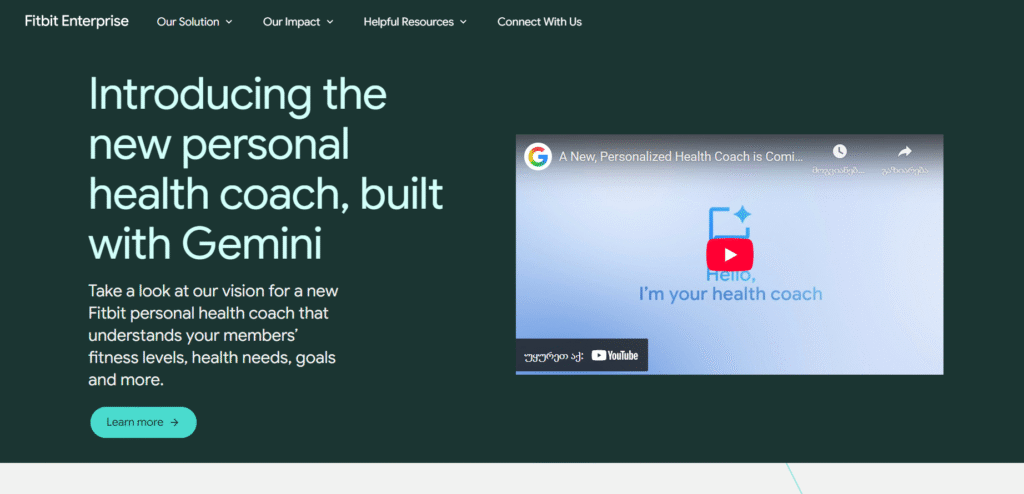
Quick Program Stats
💰 Commission Rate: 3% per sale (increases with volume)
🍪 Cookie Duration: 45 days
💳 Payment Terms: Monthly via Commission Junction
💵 Minimum Payout: $50 (direct deposit/Payoneer) or $100 (check)
🎯 Best For: Health/fitness content creators and US-based affiliates
⏱️ Payment Network: Commission Junction (CJ)
Why the Fitbit Affiliate Program Works
Here’s what makes this program worth your time. Fitbit isn’t some fly-by-night brand trying to compete in a crowded market. They’re the industry leader. When someone searches for “best fitness tracker,” Fitbit appears in nearly every recommendation list. They’ve got the brand recognition that makes conversions easier.
The 45-day cookie window gives you breathing room. Your audience doesn’t need to buy immediately. They can research, compare, and come back within a month and a half, and you still earn. That’s longer than many tech affiliate programs offer.
Let’s talk numbers. A basic Fitbit starts around $80, while their premium smartwatches can run $300 or more. At 3% commission, you’re looking at $2.40 to $9 per sale. Not life-changing money per transaction, but here’s where it gets interesting. Fitbit customers often upgrade. They buy bands, premium subscriptions, and eventually newer models. That 45-day cookie captures those additional purchases.
Understanding the Earning Potential
Most affiliates obsess over commission percentages and miss the bigger picture. A 3% rate on a product people actually want beats a 50% commission on something nobody buys. Fitbit’s conversion rate benefits from existing demand and brand trust.
To hit $1,000 monthly, you need roughly 111 sales of $300 smartwatches. Sounds like a lot until you consider this. A well-optimized review post ranking for “best fitness tracker 2025” could generate 50-100 clicks monthly to your affiliate link. If even 5% convert, that’s 3-5 sales from one article. Scale that across multiple posts, and suddenly those numbers look achievable.
The program rewards volume with increased commission rates. While the starting 3% isn’t spectacular, consistent performers see rate bumps. This incentivizes building sustainable traffic rather than chasing quick wins.
Getting Approved and Starting Right
Joining happens through Commission Junction, not directly through Fitbit. You’ll need a CJ account first. If you’re new to CJ, the platform can feel overwhelming, but it’s the same network powering thousands of affiliate programs. Having a CJ account opens doors beyond just Fitbit.
The approval process favors established sites. Fitbit wants partners with real traffic and content relevant to health, fitness, or technology. If you’re running a brand new blog with three posts, expect delays or rejections. Build out at least 10-15 quality articles before applying. Focus on fitness gear reviews, workout tips, or health technology comparisons.
Your application improves with clarity. Explain your promotion strategy. Will you write comparison posts? Create YouTube reviews? Run paid ads? Specificity signals professionalism. Generic applications that say “I’ll promote on my blog” compete with thousands of similar requests.
Your Ideal Audience and Their Journey
The person buying a Fitbit isn’t necessarily a hardcore athlete. They’re often someone making their first step into fitness tracking. Maybe they’ve committed to getting healthier. Perhaps their doctor suggested monitoring their activity. They want simple, reliable, and backed by a trusted brand.
Your content should address beginners more than fitness enthusiasts. The marathon runner probably has specific gear preferences. The person who just decided to “get more steps” is researching which tracker to buy. That’s your target.
Common pain points include confusion about which model fits their needs. Fitbit offers everything from basic trackers to advanced smartwatches. Your content should simplify these choices. Create comparison guides. Explain the differences between Charge, Versa, and Sense models. Answer questions like “Do I need GPS?” or “Is the premium subscription worth it?”
Traffic Strategies That Convert
Creating Content That Ranks
Start with comparison keywords. “Fitbit vs Apple Watch” gets searched thousands of times monthly. So does “best Fitbit for seniors” or “Fitbit for swimming.” These searchers have buying intent. They’re not casually browsing. They’re researching a purchase decision.
Your comparison posts should be thorough but not overwhelming. Cover 3-5 products maximum. Include a clear winner for different use cases. The format works like this: introduce the question, explain what matters in a fitness tracker, compare specific models, then recommend the best option for different users.
Review posts work year-round, but timing matters for promotions. Black Friday and New Year searches for Fitbit spike dramatically. Publish your content by mid-November and early December to catch holiday shoppers. Update those same posts in late December for New Year’s resolution buyers.
Don’t overlook long-tail keywords. “Can Fitbit track sleep accurately” or “Does Fitbit work with Android” might have lower volume but higher conversion rates. Someone asking specific questions is further along in their buying journey.
Email Marketing That Drives Sales
If you’re building an email list in the health and fitness space, Fitbit promotions fit naturally into your content strategy. The key is timing and context. Don’t just blast “Buy a Fitbit” emails. That’s lazy and ineffective.
Instead, create value-first sequences. Send workout tips, sleep improvement strategies, or fitness goal-setting guides. Mention how you track your own progress with a Fitbit. Include your affiliate link as a tool recommendation, not a sales pitch.
Holiday promotions work exceptionally well via email. When Fitbit runs sales, your audience wants to know. A simple email saying “Fitbit’s 25% off – here’s which model I recommend” can generate significant commissions.
Paid Traffic Considerations
Commission Junction has strict rules about paid search. You cannot bid on “Fitbit” or trademark terms. This protects the brand and other affiliates. Violating this gets you banned quickly.
Facebook and Instagram ads work better anyway. Create content around fitness goals, not products. Your ad might promote a “5 Fitness Tracking Mistakes” guide that leads to a landing page where Fitbit solves those problems. This approach complies with most affiliate rules while driving targeted traffic.
YouTube pre-roll ads targeting fitness content can work if your commission volume justifies the cost. Remember, at 3% per sale, your profit margins are thin. Paid traffic needs to convert efficiently or you’ll lose money.
What Actually Converts Visitors
Your promotion angle matters more than your traffic volume. You could send 1,000 visitors to Fitbit’s site and make zero sales if your messaging is off. Or you could send 100 well-targeted visitors and generate 10 sales.
The best converting content shows Fitbit solving a specific problem. Generic “Fitbit is great” content gets ignored. Content titled “How I Finally Started Sleeping Better” that naturally features Fitbit’s sleep tracking resonates deeper.
Personal experience builds trust. If you actually use a Fitbit, share your dashboard stats. Show your step counts, sleep scores, and how the data changed your behavior. This authenticity converts better than recycled press release information.
Address objections directly. Common concerns include “Is it worth the price?” and “Will I actually use it?” Your content should acknowledge these doubts and provide honest answers. Sometimes the honest answer is “A basic fitness tracker might be better for you than the expensive Fitbit.” That transparency makes your recommendations more credible.
Common Challenges You’ll Face
The 3% commission rate is the elephant in the room. It’s low compared to digital products or high-ticket items. You need significant volume to generate meaningful income. This isn’t a program where five sales monthly creates substantial revenue.
Competition is fierce. Everyone in the fitness affiliate space promotes Fitbit. Your content needs to stand out through better research, clearer comparisons, or unique angles. Rewriting existing reviews won’t rank well or convert.
Commission Junction’s payment terms can frustrate new affiliates. The $50 minimum payout means your first commission might take months to reach withdrawal threshold. Plan for this delay in your cashflow expectations.
Seasonal fluctuations affect earnings. January and November-December drive most sales. Summer slows down. Fitness resolutions fade by March. Your traffic might remain steady, but conversions dip. Understanding this pattern helps you plan content and promotions strategically.
Who Should Skip This Program
If you’re chasing high-ticket commissions, Fitbit won’t satisfy you. The math simply doesn’t work for affiliates focused on maximizing per-sale earnings. Programs offering $50-200 per conversion exist, even in health niches.
New affiliates without existing traffic might struggle getting approved and then generating sufficient volume. The combination of low commission rates and high volume requirements creates a challenging starting point. You’re not wrong to apply, but temper your expectations.
If your audience isn’t primarily US-based, this program offers limited value. Fitbit focuses on American affiliates through Commission Junction. International sales happen but aren’t the target market.
Getting Your First Commission
Your fastest path to earning starts with content already ranking. If you have posts about fitness, health tracking, or wellness, update them with Fitbit mentions. You don’t need to overhaul everything. Adding a relevant paragraph with your affiliate link to existing content takes minutes and starts generating potential commissions immediately.
Create one cornerstone comparison post. Invest time making it the most comprehensive Fitbit comparison available. Include every current model, clear feature breakdowns, and specific use case recommendations. This single post can drive consistent commissions for years with minor updates.
Promote during high-intent periods. New Year’s week and Black Friday week generate more fitness tracker sales than entire months combined. Time your content pushes and any email promotions around these periods.
Test different calls to action. “Check current Fitbit prices” converts differently than “See which Fitbit fits your goals.” Small wording changes impact click-through rates significantly. Track your affiliate links to identify which messaging drives the most clicks.
Maximizing Long-Term Value
The real opportunity with Fitbit isn’t quick money. It’s building a sustainable income stream in a stable niche. People will buy fitness trackers for years. Fitbit isn’t going anywhere. Your content remains relevant with minor updates.
Diversify within the niche. Promote Fitbit alongside complementary products. Workout apps, fitness equipment, and health supplements all appeal to the same audience. Multiple revenue streams from one audience type creates more stable income.
Build your email list aggressively. Your site traffic fluctuates with Google algorithm updates. Your email list stays yours. A fitness-focused list of 5,000 subscribers promoting Fitbit during major sales can generate more commissions than months of SEO traffic.
Update your content regularly. Fitness technology evolves quickly. A 2023 comparison post becomes outdated when 2025 models launch. Set calendar reminders to refresh your highest-traffic posts quarterly. This maintenance keeps your rankings and keeps your recommendations current.
The Bottom Line
The Fitbit affiliate program won’t make you rich overnight. The 3% commission rate and competitive landscape require consistent effort and smart strategy. But for affiliates in health and fitness niches, it’s a legitimate way to monetize existing content and traffic.
Your success depends less on the program’s terms and more on your execution. Create genuinely helpful content. Target the right keywords. Focus on beginners making their first fitness tracker purchase. Do this consistently, and those 3% commissions add up.
Ready to start? Join the Fitbit affiliate program through Commission Junction and publish your first comparison post this week. The best time to start was last January. The second best time is right now.